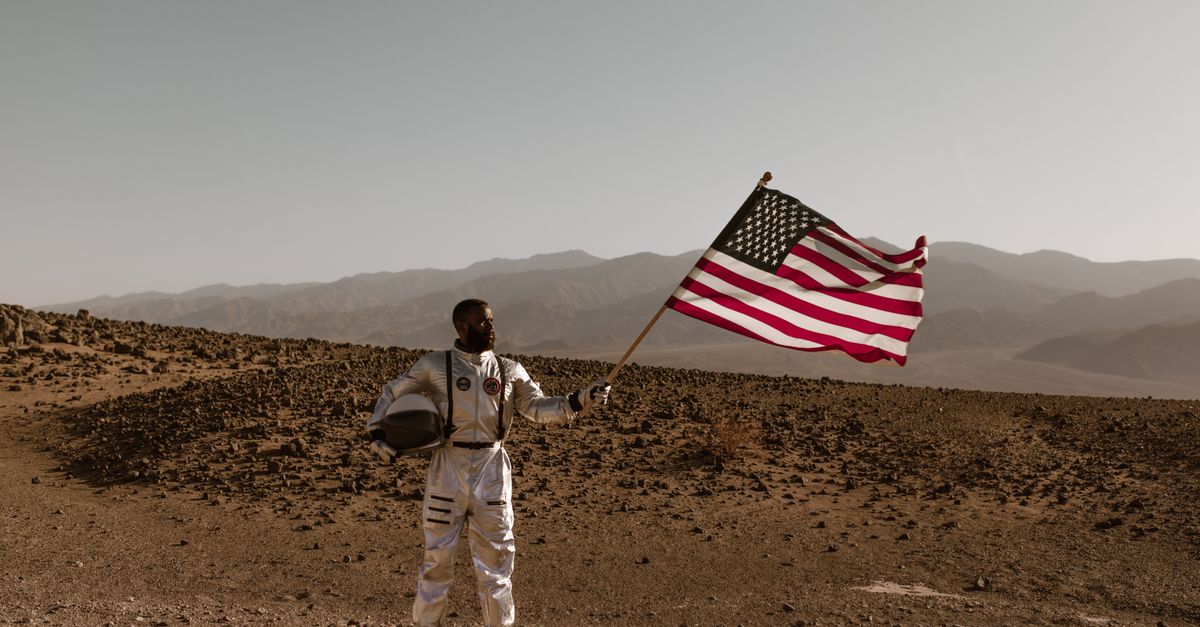
The race to Mars is accelerating, fueled by ambitious timelines and the desire to establish a permanent presence on the Red Planet. However, this monumental undertaking necessitates a paradigm shift: a move towards Earth-independent solutions for astronaut health and mission safety. The challenges of a mission to Mars are unlike anything humanity has previously faced, demanding innovative approaches to ensure crew survival and mission success. As global business leaders, understanding these challenges and the opportunities they present is crucial for shaping the future of space exploration and its impact on terrestrial industries.
The stark reality is that reliance on Earth-based resources and support systems is simply unsustainable for a prolonged Mars mission. The vast distance – over 250 million miles – creates communication delays, logistical bottlenecks, and a critical need for self-sufficiency. The crew must be able to handle medical emergencies, equipment malfunctions, and resource scarcity without immediate assistance from Earth. See our Full Guide
The Human Factor: A Biological Bottleneck
The human body is ill-equipped for the rigors of deep space travel. Prolonged exposure to microgravity leads to a cascade of physiological problems, including muscle atrophy, bone density loss, immune system suppression, and cardiovascular strain. While the International Space Station (ISS) has provided valuable insights into mitigating these effects through rigorous exercise and specialized nutrition, the solutions are far from perfect.
The journey to Mars, lasting six to nine months, exacerbates these issues. Traditional countermeasures, such as daily resistance training, are resource-intensive and may not fully address the long-term effects of microgravity. This necessitates exploring more radical solutions.
One promising avenue is induced hibernation, a concept previously confined to science fiction. By slowing metabolism and preserving bodily functions, hibernation could drastically reduce the need for food, water, and life support. Research is underway to understand the mechanisms underlying hibernation and to develop safe and effective methods for inducing a torpor-like state in humans. This field is spearheaded by initiatives like HIBERIA, a global platform fostering collaboration in human hibernation research for deep space missions. The potential applications of hibernation technology extend far beyond space travel, offering new approaches to treating trauma, preserving organs for transplant, and managing critical illnesses on Earth.
Beyond hibernation, personalized medicine and advanced diagnostics will play a critical role in maintaining astronaut health. Real-time monitoring of vital signs, genetic predispositions, and physiological responses to the Martian environment will enable proactive interventions and customized treatment plans. Artificial intelligence (AI) can analyze vast amounts of data to identify potential health risks and recommend appropriate countermeasures. The development of portable, autonomous medical devices capable of performing complex procedures will be essential for addressing emergencies in the absence of immediate medical expertise.
Mission Safety: Minimizing Risk in a Hostile Environment
The Martian environment presents a unique set of challenges to mission safety. The thin atmosphere, extreme temperatures, and radiation exposure require robust protective measures. Habitats must be designed to shield astronauts from radiation, provide a stable atmosphere, and maintain a comfortable temperature.
Furthermore, resource scarcity necessitates closed-loop life support systems that recycle water, air, and waste. In-situ resource utilization (ISRU) – the extraction and utilization of resources found on Mars – is critical for long-term sustainability. This includes extracting water ice, producing oxygen from the atmosphere, and using Martian soil to create building materials.
AI and robotics will play a crucial role in ensuring mission safety. Autonomous robots can perform hazardous tasks such as exploring caves, building habitats, and repairing equipment. AI-powered systems can monitor environmental conditions, detect potential hazards, and provide real-time alerts to astronauts. Predictive maintenance algorithms can identify potential equipment failures before they occur, minimizing downtime and ensuring mission continuity.
The Business Imperative: Investing in Earth-Independent Solutions
Preparing for Mars is not just a scientific endeavor; it's a business imperative. The technologies and innovations developed for Mars missions have the potential to revolutionize a wide range of terrestrial industries.
- Healthcare: Advances in telemedicine, remote diagnostics, and personalized medicine, driven by the need to monitor astronaut health in deep space, can improve healthcare access and outcomes in remote and underserved areas on Earth.
- Manufacturing: The development of 3D printing and other advanced manufacturing techniques for creating habitats and equipment on Mars can transform manufacturing processes on Earth, enabling on-demand production, customized products, and reduced waste.
- Agriculture: Closed-loop agriculture systems designed to produce food on Mars can revolutionize food production on Earth, enabling sustainable farming practices, reducing reliance on pesticides and fertilizers, and improving food security.
- Energy: The development of advanced energy storage and renewable energy technologies for powering Mars missions can accelerate the transition to a sustainable energy future on Earth.
Investing in Earth-independent solutions for astronaut health and mission safety is not just about reaching Mars; it's about creating a more resilient, sustainable, and innovative future for humanity. Global business leaders have a critical role to play in supporting this endeavor, by investing in research and development, fostering collaboration between industries, and creating new markets for space-based technologies. The journey to Mars is a challenging one, but the rewards – both for space exploration and for life on Earth – are immense.