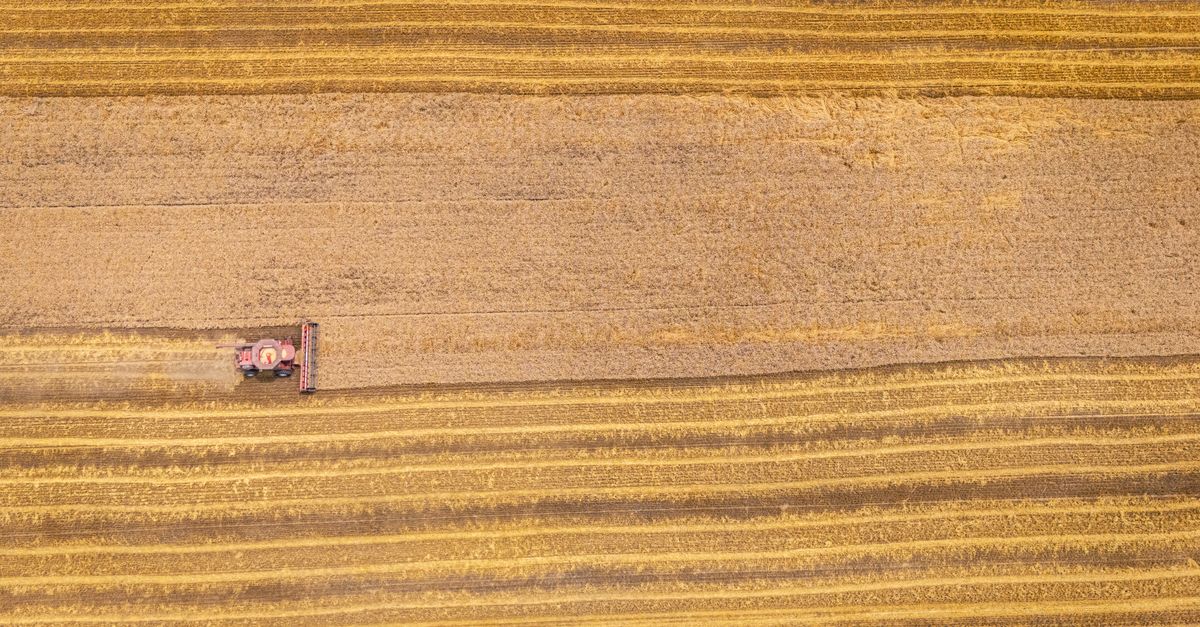
Precision Agriculture: How AI Drones are Optimizing Yields
In an era defined by escalating global food demand and increasing pressure on agricultural resources, the adoption of innovative technologies is no longer a luxury but a necessity. Among the most promising advancements in modern agriculture is the integration of artificial intelligence (AI) and drone technology, offering farmers unprecedented levels of precision and control over their operations. This fusion, known as precision agriculture, is revolutionizing how crops are grown, managed, and harvested, ultimately leading to optimized yields and improved profitability.
One compelling example of this technological revolution is Singapore-based Polybee. This pioneering company has recently secured $4.3 million in seed funding, a testament to the growing recognition of its innovative approach to pollination and yield forecasting. Polybee employs a fleet of tiny drones, acting as "physical AI agents," to monitor crops in both greenhouses and open fields. This investment underscores the potential of AI-powered drones to transform agricultural practices on a global scale.
The Power of AI-Driven Insights
The core of precision agriculture lies in the ability to gather and analyze vast amounts of data. AI-equipped drones are uniquely positioned to collect high-resolution imagery and sensor data, providing growers with a comprehensive view of their crops' health, ripeness, and overall condition. This data is then processed using sophisticated AI algorithms to generate actionable insights that inform critical decision-making.
Polybee's technology exemplifies this approach. Their self-recharging drones are equipped with cameras that meticulously monitor crops, providing AI-powered yield forecasts. This enables growers to precisely determine the optimal time to harvest, maximizing both yield and profitability. According to Polybee founder Siddharth Jadhav, following the company's recommendations has consistently resulted in higher yields compared to traditional grower decision-making, a claim substantiated across multiple regions, seasons, and crop varieties.
Autonomous Pollination: A Game Changer for Greenhouse Crops
Beyond monitoring and forecasting, AI drones are also transforming pollination practices, particularly in greenhouse environments. Traditional methods of pollination, such as relying on bumblebees or manual labor, can be inconsistent, costly, and even pose risks of pathogen transmission. Polybee's patented controlled airflow technology addresses these challenges by using drones to gently blow pollen from flowers onto the stigma of self-pollinating crops like tomatoes, strawberries, and blueberries.
This autonomous pollination system offers several advantages:
- Increased Consistency: Drones provide a consistent and reliable pollination service, regardless of weather conditions or bumblebee availability.
- Improved Yields: By maximizing fruit set, autonomous pollination can lead to significant yield increases, particularly during off-peak seasons when market prices are higher. Polybee reports yield improvements of up to 15% in greenhouse crops.
- Reduced Costs: Automating pollination eliminates the need for manual labor and reduces reliance on expensive bumblebee colonies.
- Mitigated Risks: By eliminating bumblebees, the risk of pathogen transmission to crops is significantly reduced.
Optimizing Harvest Timing and Early Stress Detection
The benefits of AI-powered drones extend beyond pollination. By continuously monitoring crop health, these drones can detect early signs of stress, such as nutrient deficiencies or pest infestations. This allows growers to take proactive measures to mitigate the problem before it impacts yield.
Furthermore, AI algorithms can analyze crop data to determine the optimal harvest timing for specific varieties and regions. This is particularly crucial for high-value crops like baby leaf spinach, where leaves need to be harvested at a precise size and weight to meet market specifications. Polybee's case studies demonstrate a threefold profit improvement in baby leaf spinach and broccoli operations through optimized harvest timing and early stress detection.
Addressing the Challenges of Scale
While experienced growers possess valuable intuition, Jadhav emphasizes that "instincts don't scale, and neither does eyeballing a thousand hectares." The variability inherent in fresh produce requires a comprehensive and data-driven approach to forecasting. AI-powered drones provide the necessary visibility and control to manage large-scale operations effectively.
By capturing and analyzing data from a comprehensive sample size, these drones can accurately account for the variability within a crop, leading to more precise forecasts and improved decision-making. This is particularly valuable for crops like berries, which ripen at different rates across tunnels, making it challenging to determine the optimal harvest time.
The Future of Precision Agriculture
The success of companies like Polybee highlights the transformative potential of AI-powered drones in agriculture. As the technology continues to evolve, we can expect to see even more innovative applications emerge, including:
- Targeted Pesticide Application: Drones can be used to identify areas of pest infestation and apply pesticides only where needed, reducing the overall use of chemicals and minimizing environmental impact.
- Automated Irrigation Management: Drones can monitor soil moisture levels and adjust irrigation systems to ensure that crops receive the optimal amount of water.
- Crop Scouting and Disease Detection: Drones can be used to scout fields for signs of disease and pests, allowing growers to take early action to prevent outbreaks.
While the initial investment in drone technology and AI systems may seem significant, the long-term benefits of optimized yields, reduced costs, and improved sustainability make it a worthwhile investment for forward-thinking agricultural businesses. As Polybee expands its operations and secures contracts with major growers around the world, it is clear that AI drones are poised to play a central role in the future of precision agriculture. The era of data-driven farming is here, and it promises to revolutionize the way we grow food for generations to come.