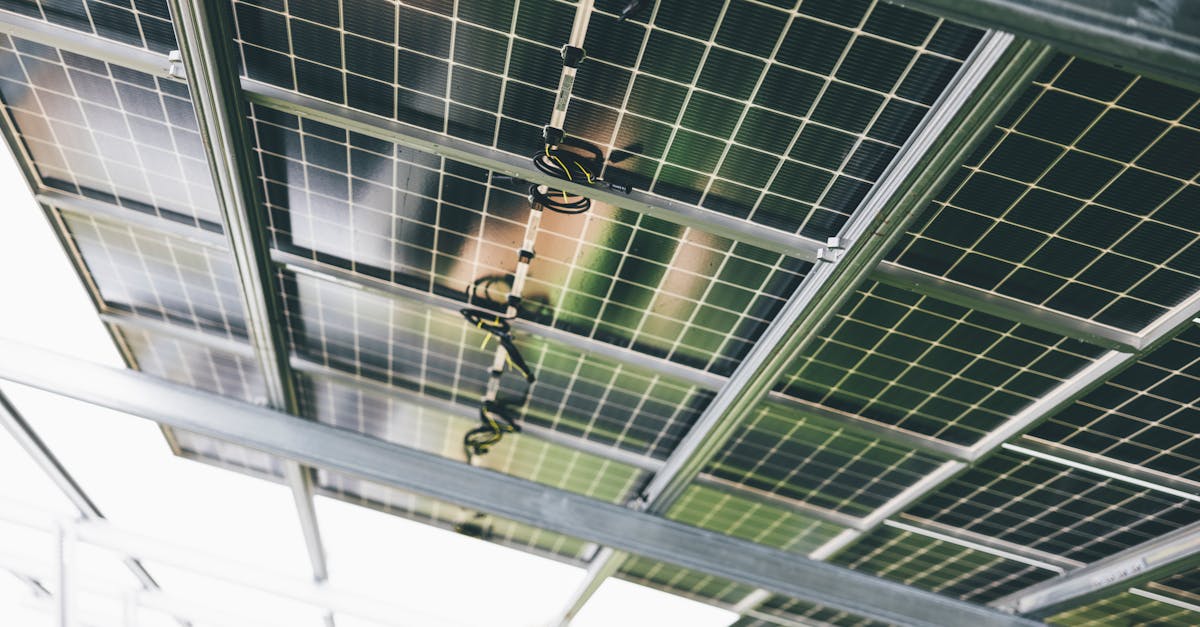
How Solar Installers Can Use AI to Scale Their Business
The solar installation industry is booming, fueled by rising energy costs and growing environmental awareness. However, scaling a solar installation business faces significant hurdles. Traditional methods for design, proposal generation, and permitting are time-consuming, error-prone, and often require specialized expertise. This is where Artificial Intelligence (AI) steps in, offering a powerful toolkit for streamlining operations, reducing costs, and ultimately, unlocking significant growth potential.
1. The Current State: Ripe for Automation
Solar installers grapple with several key challenges that are ripe for automation through AI. These include:
- Inaccurate Roof Designs: Manual roof measurements and estimations are prone to errors, leading to inaccurate solar panel placement, wasted materials, and potential safety hazards. This impacts project costs and timelines significantly.
- Tedious Proposal Generation: Crafting compelling proposals requires gathering detailed site information, calculating energy production, and generating financial projections. This process is often repetitive and labor-intensive, hindering sales teams from focusing on closing deals.
- Complex Permit Applications: Navigating the complex web of local regulations and permit requirements is a major bottleneck. Preparing compliant applications demands a deep understanding of codes and standards, often requiring dedicated specialists.
- High Customer Acquisition Costs: Attracting new customers requires efficient marketing and lead generation. Identifying high-potential leads and tailoring marketing messages effectively is crucial for optimizing marketing spend.
These inefficiencies translate directly into higher operational costs, longer project timelines, and reduced profitability. AI offers a compelling solution by automating these tasks, improving accuracy, and freeing up valuable resources.
2. Use Cases: AI-Powered Solutions for Solar Installers
Here are three specific ways AI can revolutionize your solar installation business:
-
AI-Powered Roof Design & Shade Analysis: AI algorithms can analyze aerial imagery and LiDAR data to create highly accurate 3D models of rooftops. These models automatically identify optimal panel placement based on factors like shading, roof orientation, and structural integrity. By automating this process, installers can significantly reduce design errors, optimize energy production, and minimize site survey time. This also enables faster and more accurate proposal generation, leading to quicker sales cycles.
-
Automated Proposal Generation with Intelligent Financial Modeling: AI can automate the creation of personalized solar proposals by integrating with CRM systems and pulling relevant customer data. By leveraging machine learning algorithms, AI can generate accurate financial projections, including energy savings, payback periods, and return on investment (ROI). This allows sales teams to present compelling and data-driven proposals, increasing customer confidence and boosting conversion rates. Furthermore, AI can dynamically adjust proposal parameters based on customer preferences and utility rates, ensuring optimal solutions.
-
Streamlined Permit Application Generation & Compliance: AI can automate the preparation of permit applications by extracting relevant information from site surveys, system designs, and local regulations. By leveraging natural language processing (NLP), AI can analyze permit requirements and generate compliant applications with minimal human intervention. This reduces the risk of errors, accelerates the permitting process, and minimizes delays. AI can also track changes in regulations and automatically update application templates, ensuring ongoing compliance.
3. Tool Recommendations: Embracing AI-Driven Software
Several software solutions are emerging that empower solar installers with AI capabilities. These tools can be broadly categorized as:
- Solar Design Software: Platforms like OpenSolar and Aurora Solar leverage AI for automated roof modeling, shade analysis, and energy production simulations. They enable faster and more accurate system designs, leading to improved proposal generation and reduced installation costs.
- Project Management Software: Tools like Pylon (among others) integrate AI to optimize project scheduling, resource allocation, and communication. They help streamline workflows, minimize delays, and improve customer satisfaction.
- CRM Platforms: Integrating AI-powered CRM systems can enhance lead generation, improve customer engagement, and personalize marketing campaigns. These platforms can analyze customer data to identify high-potential leads and deliver targeted messages, maximizing marketing ROI.
4. Conclusion: The Future is Intelligent
AI is no longer a futuristic concept; it's a present-day reality that can transform the solar installation industry. By embracing AI-powered solutions, solar installers can streamline operations, reduce costs, improve accuracy, and ultimately, scale their businesses more efficiently. As AI technology continues to evolve, we can expect even more innovative applications that will further revolutionize the industry, empowering installers to meet the growing demand for clean and sustainable energy. Investing in AI is not just about staying competitive; it's about shaping the future of the solar industry.