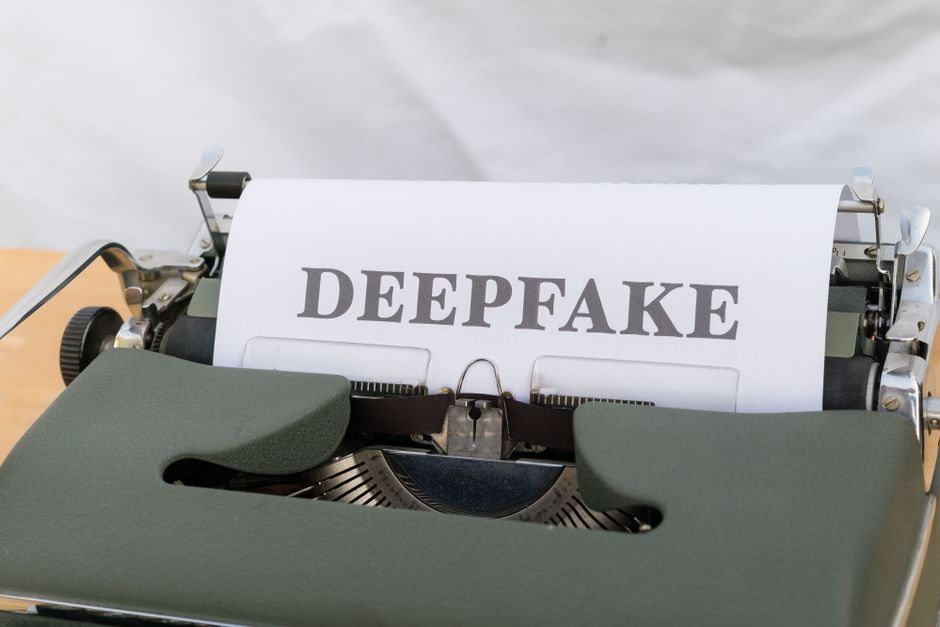
The Battle Against AI Deception: Deepfakes, Fake Ads, and Media Integrity
TL;DR: By July 2026, the rapid spread of generative AI has created a severe trust crisis. Media organizations are facing integrity scandals due to automated article generation, while social media platforms struggle with deepfake historical videos and fraudulent ads. To protect public trust, tech developers are turning to hardware-level verification chips and advanced AI detection software.
Key Takeaways
- Media Credibility Scandals: In June 2026, a major scandal forced several German newspapers to delete articles after exposing their unchecked reliance on AI writers.
- The Deepfake Threat: Online platforms are flooded with highly convincing, AI-generated "historical" videos and images that blur the line between fact and fiction.
- Hardware-Based Solutions: Modern verification systems are utilizing specialized microchips and AI models to detect digital alterations directly at the source.
- Fraudulent E-Commerce Ads: Social media platforms are experiencing a surge in fake AI-generated ads promoting non-existent products.
Section 1: Media Scandals and the Threat to Editorial Credibility
The integration of generative AI into professional newsrooms has introduced severe risks for editorial standards and public trust. This danger materialized in June 2026, when Germany's media landscape was rocked by an AI scandal. Several prominent newspapers were forced to delete published articles after it was discovered they had relied heavily on AI-generated content without proper verification.
This incident triggered a national debate regarding editorial standards, as many observers fear that an over-reliance on automated writing tools will permanently damage the credibility of established news brands. The scandal highlighted that while AI can draft content quickly, it often introduces factual errors or plagiarized text. Without rigorous human oversight, these systems can easily compromise the trust that media organizations spend decades building with their audiences.
Section 2: The Rise of Deepfakes and Fake Historical Content
Beyond written media, visual communication is facing a similar crisis of authenticity. By mid-July 2026, social media platforms and online video sharing sites experienced a noticeable increase in AI-generated "historical" videos and images. These highly detailed digital creations are presented as authentic archival footage from past decades, designed to mislead viewers into believing they are viewing real historical events.
Fact-checkers and digital historians are working to spot these fakes, analyzing subtle visual inconsistencies like unnatural lighting, distorted background details, or historical inaccuracies in clothing and technology. However, because generative video tools have advanced so quickly, these digital fakes are becoming increasingly difficult for the average consumer to identify. This development has raised concerns about the deliberate rewriting of history and the ease with which bad actors can manipulate public memory.
Section 3: Verifying Authenticity with Chips and AI Detection
In response to this growing threat of visual manipulation, tech companies and security firms are developing advanced validation tools. On July 16, 2026, tech developers announced new initiatives aimed at verifying authentic images and reliably detecting digital forgeries.
Rather than relying solely on software-level analysis, these new security systems utilize specialized microchips embedded directly within cameras and smartphones. These chips digitally sign images the moment they are captured, creating a tamper-proof cryptographic record of authenticity. If an image is later modified or generated by an AI model, the cryptographic signature becomes invalid, allowing detection algorithms to flag the file as a forgery. These hardware-based solutions represent a critical line of defense in protecting the integrity of digital evidence and journalistic photography.
Section 4: The Danger of Fake Social Media Advertisements
While governments and tech companies focus on deepfakes, everyday consumers are being targeted by fraudulent commercial schemes. In July 2026, social media platforms experienced a surge in fake AI-generated advertisements. These ads use hyper-realistic images and persuasive text to sell products that either do not exist or are highly misrepresented.
These automated ad campaigns are generated at a massive scale, allowing bad actors to launch hundreds of unique variations targeting specific demographics. Because these systems are automated, they can bypass standard manual review processes used by social media networks. This leaves consumers vulnerable to financial scams, prompting consumer protection agencies to demand that platforms take immediate responsibility for verifying the authenticity of the advertisers and products promoted on their networks.