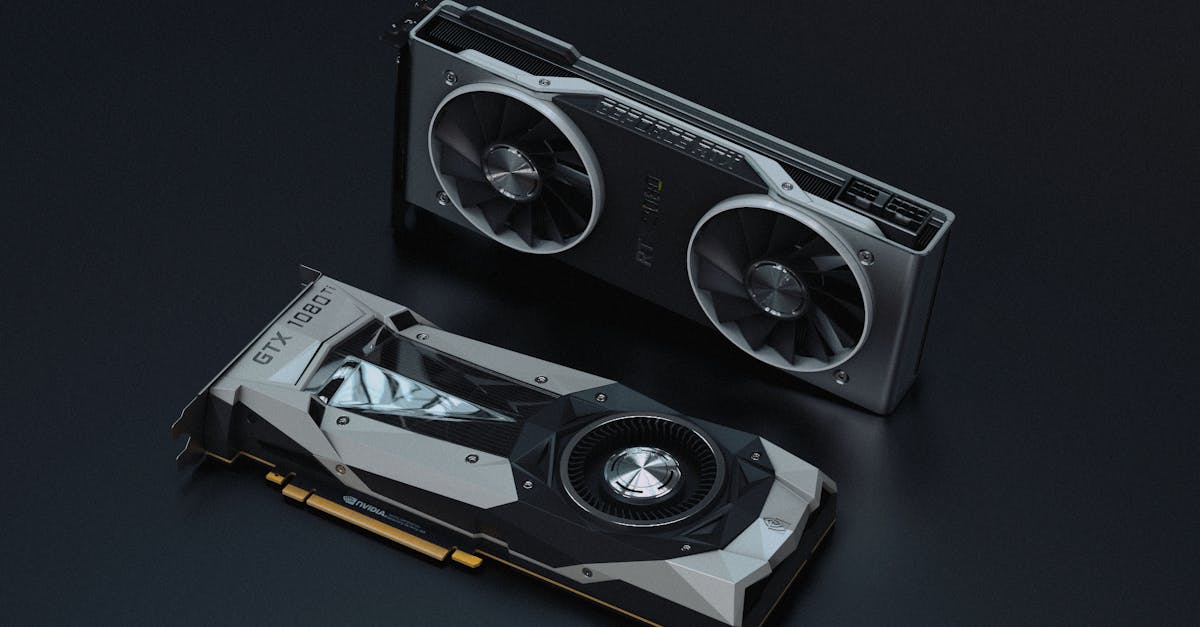
TL;DR: Global enterprises are shifting capital from payroll to high-performance AI infrastructure to secure a competitive edge in 2026. Applied Digital's December 2, 2025, $25 million lead investment in Swiss cooling firm Corintis shows how infrastructure efficiency, rather than human headcount, determines market leadership in high-density computing.
Global business leaders are reallocating budgets from payroll to computational power to survive the next phase of enterprise automation. See our Full Guide on how major software firms are substituting human headcount with artificial intelligence capabilities. This capital shift allows companies to fund the massive physical infrastructure required to run high-density GPU workloads.
How Does Applied Digital Invest in Infrastructure to Reduce AI Operating Costs?
Applied Digital reduces AI operating costs by investing in thermodynamic efficiencies at the chip level, as demonstrated by its December 2, 2025, lead investment in a $25 million funding round for Swiss-based cooling specialist Corintis. This transaction brings Corintis' total funding to $58 million and grants Applied Digital direct access to microfluidic liquid cooling technologies. By integrating cooling pathways directly into silicon, the system eliminates the thermal bottlenecks that restrict GPU performance.
Maximizing Hardware Yield Over Labor Costs
Historically, scaling an enterprise meant expanding engineering teams. In 2026, scaling requires maximizing the floating-point operations per second (FLOPS) per watt of energy consumed. Applied Digital's partnership with Corintis targets this physical limitation. The microfluidic design allows liquid coolant to flow directly across the hottest zones of a chip, reducing operating temperatures by up to three times compared to standard cold plates. Corintis, headquartered in Lausanne, Switzerland, with a new office in Bellevue, Washington, will use the funds to scale manufacturing and expand its U.S. footprint. Multiple tech giants have already signed customer agreements following Corintis' Series A round.
Squeezing Performance Out of Hyperscale Clusters
Microsoft validated the performance of Corintis' technology, proving that precise thermal management directly increases chip reliability and power density. By preventing thermal throttling, data center operators can run GPUs at peak capacities without risking hardware failure or wasting excess electricity on external cooling fans.
Why Is Liquid Cooling Necessary for Next-Generation GPU Data Centers?
Liquid cooling is a baseline technical requirement for high-density GPU systems because traditional air cooling cannot dissipate the heat generated by cluster configurations exceeding 100 kilowatts per rack. Modern AI models demand massive parallel processing arrays that run continuously at maximum thermal design power. Without direct-to-chip liquid cooling, chips automatically throttle their processing speed to prevent physical destruction, rendering expensive silicon investments underutilized.
Microfluidic Technology vs Standard Cold Plates
Corintis uses microfluidic channels designed through a proprietary generative software platform. Rather than using generic copper plates, Corintis etches customized liquid paths directly into the silicon or places them as a drop-in replacement on the chip packaging. This allows higher coolant temperatures, which reduces overall water consumption and eliminates the need for energy-intensive chillers. According to Corintis CEO Remco van Erp, optimization of AI infrastructure requires a holistic approach from silicon to infrastructure, bridging the gap between chip design and facility operations.
Supporting Massive Compute Agreements
The deployment of this technology supports large-scale infrastructure developments like Applied Digital's 400-megawatt lease agreements with CoreWeave at its Polaris Forge 1 campus. Managing these gigawatt-scale power footprints requires cooling systems that run with minimal parasitic power loss. Applied Digital CEO Wes Cummins stated that strategic investments in cooling technologies will set the industry's pace, ensuring campuses remain highly efficient as compute demands scale.
Trading Human Payroll for High-Density GPU Compute Power
Enterprises are shrinking administrative and engineering headcounts to free up capital for high-performance AI compute infrastructure. This budget reallocation is a strategic response to the exponential power demands of training and running large-scale foundation models. A single high-density GPU rack in 2026 costs more than an entire department of software engineers, forcing executive teams to choose between expanding their workforce or upgrading their digital factories. Hardware is the new payroll.
Capital Reallocation Dynamics
Data from Applied Digital's recent expansions, including its $5 billion partnership with Macquarie Asset Management, highlights the massive scale of capital required to compete in the AI sector. The Polaris Forge 2 campus, leased to a major investment-grade hyperscaler, demonstrates that modern enterprise competition is fought in megawatts, not employee numbers. Companies that successfully redirect cash flow from payroll to these high-performance systems secure long-term computational advantages that competitors relying on manual labor cannot match.
Operating At Scale Without Human Overhead
Autonomous AI agents and automated code generation systems reduce the need for junior developers and administrative staff. By redirecting those salary budgets to fund long-term leases on GPU clusters, enterprises acquire permanent intellectual property and processing capabilities that operate continuously. This shift transforms operating expenses into capital investments that appreciate in productivity.
Key Takeaways
- Capital budgets are shifting from labor to compute infrastructure to fund the high-density hardware required for 2026 AI models.
- Applied Digital's $25 million investment in Corintis highlights microfluidic liquid cooling as a critical technology for preventing thermal throttling in high-density GPU racks.
- Direct-to-chip microfluidic cooling achieves up to three times lower temperatures than standard cold plates, offering a significant reduction in data center power and water consumption.